The Importance of Early Childhood Education in Development
Early childhood education serves as a foundational pillar in the overall development of children, influencing their cognitive and social growth in significant ways. From birth to age five, children undergo rapid brain development, making this period crucial for setting the stage for lifelong learning. Engaging in structured educational experiences during this time fosters essential skills that are pivotal for success in future academic settings and social interactions.Cognitive development in early childhood is characterized by the enhancement of critical thinking, problem-solving abilities, and language acquisition.
Early education introduces children to a variety of experiences that stimulate their intellect, allowing them to explore concepts such as numbers, letters, and social norms within a structured environment. Research has shown that children who participate in high-quality early education programs demonstrate improved performance in school and beyond. These children are better equipped to handle the demands of a formal education system, as early exposure to learning enables them to develop resilience and adaptability.
Long-term Impacts of Early Education on Future Learning Outcomes
The implications of early childhood education extend far beyond immediate academic achievements. Studies have illustrated that children who experience quality early education are more likely to graduate from high school, attend college, and secure stable employment. The cognitive and social skills acquired during formative years play a pivotal role in shaping their future trajectories. Factors contributing to these long-term positive outcomes include:
- Enhanced School Readiness: Children enter school with a solid understanding of basic academic concepts, which supports their transition into a more formal learning environment.
- Improved Social Skills: Early childhood programs support interpersonal skills, such as teamwork and conflict resolution, fostering healthy relationships with peers and adults.
- Increased Emotional Development: Participation in early education helps children learn to manage their emotions, leading to better self-regulation and coping mechanisms.
- Higher Academic Performance: Longitudinal studies indicate that children with a strong early education background score higher on standardized tests throughout their school years.
“Investing in early childhood education yields significant returns in terms of academic success and life achievements.”
Successful early childhood education programs can be found across various cultures, highlighting diverse approaches to learning. For instance, the Reggio Emilia approach from Italy emphasizes child-led learning through exploration and discovery, fostering creativity and critical thinking. In Sweden, the preschool system integrates play-based learning with structured educational content, encouraging children to develop socially and academically in a supportive environment. Similarly, the HighScope program, which originated in the United States, focuses on active learning, allowing children to engage with materials and ideas through hands-on experiences.
These examples illustrate how different educational philosophies can effectively nurture young minds, setting the groundwork for lifelong learning.
Different Approaches to Early Childhood Education
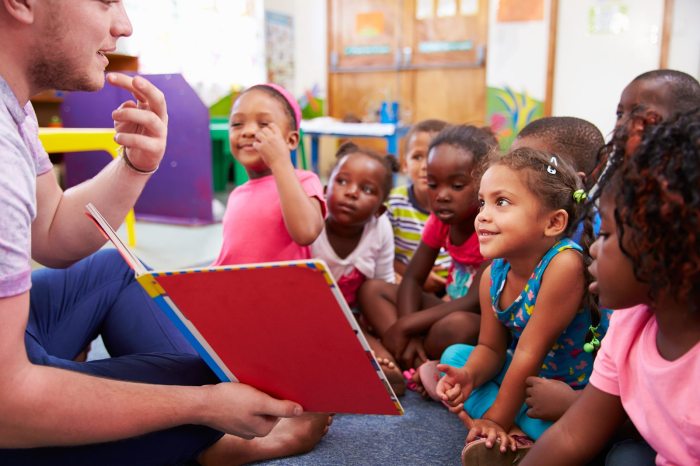
Early childhood education encompasses a variety of teaching philosophies, each with unique principles that aim to foster the development of young children. Understanding these approaches helps educators tailor their methods to the diverse needs of learners, creating enriching environments that promote holistic growth.One notable educational philosophy is the Montessori approach, founded by Dr. Maria Montessori. This method emphasizes child-led learning, where children engage with specially designed materials at their own pace.
The classroom environment is carefully prepared to promote independence, encouraging children to explore and discover knowledge through hands-on experiences. In contrast, the Waldorf approach, developed by Rudolf Steiner, focuses on a more artistic and imaginative curriculum. It integrates arts, crafts, and storytelling into learning, emphasizing the importance of creativity and emotional development.
Comparison of Teaching Methods in Early Childhood Settings
Different teaching methods can have varying impacts on children’s learning experiences and outcomes. The following points illustrate the effectiveness of various approaches:
- Montessori: Supports individual learning styles and encourages self-direction, resulting in strong problem-solving skills.
- Waldorf: Promotes social skills and emotional intelligence through collaborative projects and imaginative play.
- Reggio Emilia: Values children’s questions as a starting point for learning, promoting critical thinking and inquiry.
- Traditional: Focuses on structured curriculum and standardized assessments, which may not accommodate all learning styles.
While Montessori methods foster independence, the Waldorf approach may create a more community-oriented experience. The Reggio Emilia philosophy stands out for its emphasis on collaboration, making it effective for developing critical thinking. Traditional methods often rely on direct instruction, which might not resonate with all children, particularly those who thrive in more interactive settings.
Meeting Diverse Learning Styles
These educational approaches cater to various learning styles, accommodating the unique needs of each child. For instance, the use of tactile materials in Montessori classrooms supports kinesthetic learners, while auditory learners benefit from the storytelling and rhythm in Waldorf environments. Visual learners engage more effectively with creative projects, prevalent in both Waldorf and Reggio Emilia settings.
“Every child is unique and learns in their own way.”
By recognizing and adapting to these different learning styles, educators can create inclusive environments that not only respect individual differences but also promote a deeper understanding and love for learning among all children.
The Role of Play in Early Childhood Learning
Play is an essential component of early childhood education, acting as a natural vehicle for learning and development. Through play, children engage in exploration and experimentation, gaining insights about themselves and the world around them. This interaction not only enhances cognitive skills but also supports social and emotional growth, laying a strong foundation for lifelong learning.Play facilitates learning by allowing children to experiment with ideas and practice new skills in a safe and enjoyable environment.
It enables them to develop critical thinking, problem-solving abilities, and social skills. For instance, when children engage in role-playing, they learn about different perspectives and develop empathy, while building their communication skills.
Examples of Play-Based Learning Activities
Various play-based activities can effectively promote different skill sets in early childhood education. Here are some illustrative examples:
- Building Blocks: Using blocks to construct various structures encourages children to explore concepts like balance, gravity, and spatial awareness. It fosters fine motor skills and imaginative thinking as they create their designs.
- Art and Craft: Engaging in arts and crafts allows children to express their creativity and develop fine motor skills. Activities like painting, drawing, or sculpting enhance their ability to communicate ideas visually.
- Outdoor Play: Activities such as climbing, running, and playing with balls help develop gross motor skills while promoting physical health. Children learn about teamwork, cooperation, and taking turns during group games.
- Dramatic Play: Pretend play, such as acting out stories or incorporating costumes, enables children to express emotions and develop narrative skills. It also provides opportunities to practice language and social skills.
- Nature Exploration: Activities like scavenger hunts in nature allow children to observe and investigate their environment. This encourages curiosity about the natural world, leading to scientific thinking and observational skills.
Significance of Unstructured Play
Unstructured play is critical in early childhood as it fosters creativity and independent thinking. During unstructured play, children are free to explore their interests and ideas without prescribed guidelines, which significantly encourages innovative thinking.
“Unstructured play allows children to create their own rules and scenarios, enhancing their problem-solving skills and boosting confidence in their abilities.”
The significance of this type of play can be observed in the following areas:
- Creativity Development: Children are free to invent games, characters, and stories, leading to more imaginative play experiences that cultivate creative thinking.
- Emotional Growth: Unstructured play provides a platform for children to navigate emotions and practice self-regulation, as they learn to cope with winning and losing in games.
- Social Skills: Through free play, children learn to negotiate, share, and collaborate with peers, fostering essential social competencies and building friendships.
- Critical Thinking: When children engage in unstructured play, they encounter challenges that require them to think critically, assess situations, and come up with solutions independently.
The Impact of Family Involvement in Early Education
Parental involvement plays a crucial role in shaping a child’s educational journey from the earliest stages. When families engage actively in their children’s learning, it fosters a supportive environment where children feel valued and motivated. Research consistently shows that children whose families are involved in their education tend to perform better academically, exhibit improved behavior, and have higher self-esteem. This involvement can take various forms, from participating in school events to actively engaging in learning activities at home.
The bond between family and education not only contributes to children’s academic success but also enhances their social and emotional development.
Strategies for Educators to Engage Families in the Learning Process
Effective family engagement requires intentional strategies from educators to foster a collaborative atmosphere between home and school. Educators can implement several strategies to enhance familial involvement.
- Organize regular workshops and informational sessions that educate parents on early childhood development and effective learning practices. These sessions can demystify educational processes and equip parents to support their child’s learning at home.
- Create a welcoming school environment that encourages parents to participate in classroom activities and decision-making processes, promoting a sense of community and shared responsibility.
- Utilize technology to maintain open lines of communication with families through newsletters, social media groups, or dedicated apps, making it easy for parents to stay informed and involved.
- Offer flexible meeting times and formats to accommodate different family schedules, ensuring that all families have opportunities to participate in their child’s education.
- Encourage parent-led initiatives, such as volunteer opportunities, which can foster stronger connections among families and with teachers.
Influence of Family Dynamics on Educational Success
Family dynamics significantly influence children’s educational outcomes. The structure, communication styles, and values within a family can directly affect a child’s attitude towards learning. For instance, children from families that prioritize education and have open communication about academic goals often exhibit greater motivation and higher achievement levels.
“Children are more likely to succeed academically when their families are involved in their education.”
As an example, research has shown that children from single-parent households may face additional challenges, such as limited resources or time constraints, which can impact their academic performance. However, when these parents engage actively with teachers and seek support, their children can still thrive. Another example could be the positive impact of siblings on educational success; children with older siblings who actively engage in schoolwork may adopt similar attitudes toward their education, leading to better outcomes.In summary, family involvement in early education is pivotal for fostering a child’s academic success and overall wellbeing.
Educators must continue to seek innovative ways to engage families, recognizing the profound influence that family dynamics have on children’s learning experiences.
Addressing Diverse Needs in Early Childhood Education
In today’s educational landscape, early childhood educators face the challenge of addressing a wide variety of learning needs among young children. Each child brings unique experiences, abilities, and backgrounds into the classroom, requiring educators to develop strategies that foster inclusivity and support for all students. This necessitates an understanding of both individual differences and the overarching principles of effective teaching practices.Educators encounter numerous challenges when trying to meet the diverse learning needs of their students.
These challenges often include varying developmental milestones, cultural backgrounds, and learning abilities among children. For example, some children may have disabilities that require specialized instruction, while others might come from non-English-speaking households, impacting their language skills. Additionally, children from differing socio-economic backgrounds may have varying levels of access to educational resources at home, which can affect their classroom performance.
Strategies for Creating Inclusive Classrooms
An inclusive classroom environment is essential for supporting every child’s learning journey. By implementing targeted strategies, educators can create a space where all children feel valued and empowered. Some effective strategies include:
- Differentiated Instruction: Tailoring teaching methods to accommodate various learning styles allows educators to engage all students effectively. For instance, visual learners can benefit from the use of charts and diagrams, while auditory learners may thrive with storytelling and discussions.
- Collaborative Learning: Encouraging peer interaction through group activities fosters a sense of community and allows children to learn from one another’s strengths. This method not only aids academic growth but also enhances social skills.
- Flexible Grouping: Regularly changing group compositions based on specific activities or projects ensures that children have the opportunity to work with peers of different abilities and backgrounds, promoting mutual respect and understanding.
- Accessible Learning Materials: Providing a range of resources that cater to various abilities, such as tactile learning tools for hands-on learners or audio books for those with reading difficulties, ensures that all students have access to the same curriculum.
Implementing these strategies can help create a learning environment that addresses the diverse needs of young children effectively.
Importance of Cultural Sensitivity in Early Childhood Education
Cultural sensitivity is a crucial aspect of early childhood education that enhances the learning experience for all students. Recognizing and respecting the diverse cultural backgrounds of children fosters a welcoming classroom environment. This understanding can lead to improved educational outcomes and stronger relationships among students and educators. Educators can incorporate cultural sensitivity into their teaching by:
- Integrating Diverse Perspectives: Including books, materials, and lessons that reflect various cultures ensures that children see their identities represented in the classroom, promoting self-acceptance and appreciation for others.
- Encouraging Family Involvement: Inviting families to share their cultural practices, traditions, and languages creates a richer learning environment and fosters community connections.
- Providing Professional Development: Ongoing training for educators on cultural competency helps them develop the skills needed to recognize biases and implement inclusive practices effectively.
Recognizing the importance of culture in education allows educators to support children’s identities while fostering an inclusive atmosphere where every child can thrive.
Technology in Early Childhood Education
The integration of technology in early childhood education has become increasingly relevant as digital tools become entrenched in daily life. While there are numerous benefits associated with using technology in educational settings for young children, challenges also arise. Understanding both sides is crucial for educators striving to create a balanced learning environment that fosters growth through varied learning strategies.The advantages of technology in early childhood education are substantial.
It offers diverse learning opportunities that can cater to the unique needs of each child. Interactive educational apps and tools can make learning engaging and fun, promoting curiosity and exploration. However, it is equally important to acknowledge the drawbacks, such as over-reliance on screens that may detract from face-to-face interactions and physical activity. Therefore, finding a balance between digital and traditional learning methods is essential for comprehensive child development.
Benefits of Integrating Technology
Incorporating technology in early education presents several benefits that enhance learning experiences:
- Interactive Learning: Digital tools often include games and activities that encourage active participation and engagement, making learning enjoyable.
- Individualized Learning: Many educational apps can adapt to a child’s learning pace, allowing personalized educational pathways tailored to their specific needs.
- Access to Resources: Technology offers vast amounts of information and learning materials, giving children exposure to a wide range of subjects and ideas.
- Skill Development: Early exposure to technology helps children develop essential digital literacy skills that are increasingly important in today’s world.
Drawbacks of Technology Use
Despite the many advantages, there are notable drawbacks to consider when integrating technology into early childhood education:
- Screen Time Concerns: Excessive screen time can lead to health issues, including eye strain, sedentary behavior, and disrupted sleep patterns.
- Reduced Social Interaction: An overwhelming focus on technology may limit face-to-face interactions vital for developing social skills.
- Distraction: Digital devices can be distracting, potentially leading to difficulty in maintaining focus on educational tasks.
- Content Quality: Not all technology is created equal; inappropriate or low-quality content can negatively impact child development.
Age-Appropriate Educational Apps and Tools
Several educational apps and tools have been designed specifically for young learners, enhancing their learning in a meaningful way:
- ABCmouse: This platform offers comprehensive learning experiences for children aged 2-8, covering subjects such as reading, math, art, and more through interactive games and lessons.
- Endless Alphabet: A fun and engaging app that introduces children to new vocabulary through animated characters and games, appealing to the visual and auditory learning styles.
- Starfall: Focused on early reading skills, Starfall uses songs, animations, and interactive elements to teach phonics and basic reading comprehension.
- Osmo: A hands-on learning tool that combines physical play with digital interaction, Osmo encourages creativity and problem-solving through various educational games.
Balancing Screen Time with Traditional Learning
Educators play a crucial role in balancing technology use with traditional teaching methods. Establishing guidelines for screen time is essential to ensure that technology complements rather than replaces traditional learning experiences. Strategies for achieving this balance include:
- Set Time Limits: Establish specific timeframes for technology use to prevent excessive screen time and ensure children engage in various learning experiences.
- Integrate Movement: Encourage physical activities or “tech breaks” to promote active learning and prevent sedentary behavior during digital activities.
- Focus on Interaction: Use technology as a tool to foster collaboration among children, such as group projects using educational software that encourages teamwork.
- Facilitate Discussions: After technology use, engage children in discussions about what they learned, reinforcing their understanding and promoting social interaction.
Assessment Methods in Early Childhood Education
Assessment methods in early childhood education play a vital role in understanding children’s development and learning progress. Evaluating the progress of young learners requires a variety of techniques that capture their growth in a holistic manner. These assessments not only inform educators about individual children’s needs but also guide teaching strategies to enhance learning experiences.
Various Assessment Techniques
In early childhood education, several assessment techniques are utilized to evaluate children’s progress effectively. These methods can be categorized into observational assessments, developmental screenings, and standardized tests, each serving unique purposes in understanding a child’s development.Observational assessments involve educators watching children during play and learning activities to gather qualitative data about their skills, behaviors, and interactions. This approach allows teachers to note developmental milestones and identify areas needing support.Developmental screenings are brief assessments designed to identify children who may require further evaluation.
They typically use standardized tools to assess various developmental domains, including cognitive, social-emotional, language, and physical development. Early identification through screenings can lead to timely interventions.Standardized tests are less common in early education settings but can be used to assess specific skills or knowledge areas. However, care must be taken to ensure these assessments are age-appropriate and culturally sensitive.
Importance of Formative Assessments
Formative assessments are crucial in early childhood education as they provide ongoing feedback about children’s learning and development. These assessments are conducted throughout the educational process rather than at the end, allowing educators to adjust their teaching strategies in real-time based on the children’s needs.By integrating formative assessments into daily routines, teachers can identify learning gaps, monitor progress, and tailor their instruction accordingly.
This approach fosters a responsive learning environment that promotes growth and development.
“Formative assessments empower educators to create personalized learning experiences that meet the diverse needs of each child.”
Effective Assessment Tools for Young Children
There are a variety of assessment tools that have proven effective for young children. These tools facilitate the collection of meaningful data that can inform teaching practices.
1. Anecdotal Records
Simple notes taken by educators about specific incidents of children’s behavior or achievements during activities. This descriptive approach captures spontaneous moments of learning.
2. Checklists
Used to track the completion of specific tasks or milestones. Checklists can align with developmental expectations and help teachers monitor a child’s progress over time.
3. Learning Portfolios
Collections of a child’s work, including drawings, writings, and other projects, showcasing their learning journey. Portfolios provide a visual representation of a child’s growth.
4. Rating Scales
Tools that allow teachers to evaluate children’s skills based on predetermined criteria. These scales can assess areas such as social interactions, language skills, and motor development.
5. Play-based Assessments
Utilizing structured play activities to observe and evaluate children’s skills in a natural context. This method captures how children apply their learning in everyday situations.Each of these tools contributes to a comprehensive understanding of a child’s development, helping educators make informed decisions to support each child’s unique learning path.
The Role of Educators in Early Childhood Settings: Early Childhood Education
Early childhood educators play a pivotal role in shaping the foundational experiences of young learners. Their influence goes beyond academic instruction; they nurture social, emotional, and cognitive development in children. Effective educators create a safe and engaging environment that fosters curiosity and a lifelong love of learning.
Key Qualities and Skills of Effective Educators, Early childhood education
The effectiveness of early childhood educators is largely determined by a distinct set of qualities and skills. These attributes not only contribute to a positive learning atmosphere but also enhance children’s overall development. Some essential qualities include:
- Empathy: The ability to understand and relate to children’s feelings and experiences is crucial in creating supportive relationships.
- Communication Skills: Effective communication fosters open dialogue with children, parents, and colleagues, essential for collaboration and understanding.
- Creativity: A creative approach to teaching can make learning engaging and fun, encouraging children to explore their interests.
- Patience: Working with young children requires patience, as learning often comes with challenges and setbacks.
- Flexibility: The ability to adapt to changing circumstances and meet diverse needs is vital in early childhood settings.
Benefits of Professional Development Opportunities
Continuous professional development is crucial for educators to remain effective in their roles. Engaging in professional learning not only enhances teaching strategies but also keeps educators informed about the latest research and practices in early childhood education. Opportunities for professional development can include workshops, conferences, and online training, which can:
- Introduce new methodologies that enhance teaching effectiveness.
- Provide insights into child development and learning theories that inform practice.
- Encourage networking with other professionals for shared learning and support.
- Help educators stay current with educational policies and standards, ensuring compliance and effectiveness.
Impact of Educator-Student Relationships on Learning Outcomes
The relationships that educators build with their students significantly impact learning outcomes and overall well-being. Strong educator-student connections lead to a more engaging and supportive classroom environment. Key aspects of this impact include:
- Trust Building: When children feel safe and trusted, they are more likely to take risks and fully engage in learning activities.
- Motivation: Positive relationships can boost children’s motivation to learn, as they feel valued and understood.
- Social Skills Development: Through meaningful interactions, children learn vital social skills, such as cooperation and empathy.
- Academic Success: Research indicates that children who have strong relationships with their educators often achieve better academic results.
“The quality of the teacher-child relationship is a significant predictor of children’s academic and social outcomes.”
Nutrition and Health in Early Childhood Education
In early childhood education, the interplay between nutrition, health, and learning is critical for a child’s development. Proper nutrition not only fosters physical well-being but also enhances cognitive functions, emotional stability, and overall growth. As children are navigating their formative years, establishing healthy eating habits can have long-lasting impacts that extend into adulthood, influencing their academic performance and social interactions.The connection between nutrition and health in young children is profound.
Nutritional deficiencies can lead to developmental delays and hinder a child’s ability to learn effectively. For instance, a balanced diet rich in fruits, vegetables, whole grains, and proteins supports brain development by providing essential nutrients such as omega-3 fatty acids and antioxidants. Moreover, healthy eating habits help prevent childhood obesity, diabetes, and other health-related issues. Educators play a crucial role in fostering an environment where healthy choices are encouraged and modeled.
Strategies for Teaching Healthy Habits
Teaching healthy habits in early childhood education requires a proactive approach that involves children in the learning process. Effective strategies include:
Incorporating nutrition education into the curriculum
Simple lessons about food groups and the importance of fruits and vegetables can make a significant impact. Engaging children through storytelling or interactive activities can make these lessons memorable.
Creating a positive mealtime environment
Educators can promote healthy eating by offering a calm and inviting atmosphere during meal times. This includes setting the table nicely and encouraging children to try new foods without pressure.
Modeling healthy eating behaviors
Teachers can influence children by eating healthy meals alongside them. By demonstrating enthusiasm for nutritious food, children are more likely to mimic these behaviors.
Gardening activities
Involving children in planting, growing, and harvesting fruits and vegetables can instill a sense of ownership and excitement about healthy eating. This hands-on experience makes the food more relatable and encourages them to eat what they have grown.
Interactive cooking sessions
Cooking classes not only teach children how to prepare healthy meals but also allow them to learn about different ingredients and flavors. This can enhance their appreciation for diverse and nutritious foods.
Family involvement
Encouraging families to participate in nutrition-related activities, such as workshops or cooking nights, can reinforce healthy habits at home. Providing resources for parents to support healthy eating can bridge the gap between school and home.
Examples of Effective Meal Programs
Implementing meal programs that prioritize nutrition is essential for supporting children’s well-being. Some effective examples include:
Farm-to-School Programs
These initiatives connect schools with local farms to provide fresh, locally sourced produce. This not only supports local agriculture but ensures children have access to high-quality, nutrient-rich foods. For example, the “Fresh Fruit and Vegetable Program” in various states provides children with free fresh fruits and vegetables as snacks during the school day.
School Breakfast and Lunch Programs
Many schools participate in government-funded programs that provide balanced meals to children. These meals often meet specific nutritional guidelines that ensure children receive necessary vitamins and minerals. For instance, programs like the National School Lunch Program (NSLP) provide healthy meal options at little or no cost to students from low-income families.
Nutrition Education Workshops
Some school districts implement workshops for both students and parents, focusing on healthy meal preparation and nutrition education. These workshops often include cooking demonstrations and information on how to read food labels effectively.
Snack Programs with a Focus on Health
Schools can establish snack programs that provide healthy options like yogurt, fruit, and whole-grain snacks. Implementing such programs helps to replace sugary snacks with nutritious alternatives, fostering better dietary habits in children.
“Nutritional choices made during early childhood can influence lifelong health and academic success.”
Government Policies and Standards in Early Childhood Education
Government policies play a crucial role in shaping the frameworks that guide early childhood education (ECE). These policies are designed to ensure that children receive a quality education that meets developmental needs and prepares them for future learning. As such, they establish the foundation upon which early childhood programs are developed, implemented, and evaluated.Regulations within these policies directly impact the quality of education and care in early childhood settings.
By setting mandatory standards for curriculum, health, safety, staff qualifications, and child-to-teacher ratios, these regulations help maintain a high level of service across various educational environments. Compliance with these regulations is essential for ensuring that all children have access to safe, nurturing, and educational experiences.
Impact of Regulations on Quality of Education
Regulatory frameworks are critical for maintaining quality in early childhood education. They not only establish guidelines but also serve as accountability measures for educational institutions. Important aspects include:
- Curriculum Standards: Regulations require that early childhood programs implement age-appropriate and developmentally suitable curricula.
- Health and Safety: Policies mandate health protocols, ensuring environments are safe and conducive to learning.
- Staff Qualifications: Regulations stipulate that educators possess specific qualifications and ongoing professional development to enhance teaching quality.
- Child-to-Teacher Ratios: Standards specify maximum ratios to foster individual attention and support for each child.
- Assessment and Evaluation: Regular assessments ensure that programs meet educational standards and support children’s growth.
The significance of accreditation and standards in early childhood programs cannot be overstated. Accreditation provides a mark of quality that distinguishes programs committed to excellence. Recognized accrediting bodies assess programs against established benchmarks that align with best practices in ECE.
Significance of Accreditation and Standards
Accreditation serves as a validation of a program’s commitment to providing high-quality education and care. The benefits of being an accredited program include:
- Enhanced Credibility: Accreditation increases public trust in the program’s quality and professionalism.
- Continuous Improvement: The process encourages programs to engage in self-reflection and ongoing development.
- Access to Resources: Accredited programs often gain access to additional funding and professional development resources.
- Better Outcomes for Children: Studies show that accredited programs tend to yield higher developmental outcomes for children.
In summary, government policies and standards are essential components of early childhood education, ensuring that children receive the highest quality of care and education. The regulatory framework governs various aspects of ECE, while accreditation helps to further elevate program standards, benefitting both children and educators alike.
Future Trends in Early Childhood Education
The landscape of early childhood education is evolving rapidly, influenced by various factors including technological advancements, globalization, and an increasing awareness of diverse educational practices. Understanding these trends is crucial for educators, parents, and policymakers as they shape the future of learning for young children. Globalization and cultural exchange are significantly influencing educational practices in early childhood settings. As societies become interconnected, children are exposed to a variety of cultural perspectives and pedagogical approaches.
This blending of practices fosters a more inclusive environment that celebrates diversity and encourages children to learn from one another.
Emerging Trends in Early Childhood Education
Several emerging trends are shaping the future of early childhood education, reflecting the changing needs of society and advances in technology. The following key trends highlight the evolving nature of educational practices:
- Holistic Development: An increasing focus on the holistic development of children, encompassing emotional, social, physical, and cognitive growth, is becoming central to early childhood education.
- Play-Based Learning: The recognition that play is fundamental to learning is leading to more play-based curricula, allowing children to explore and learn through their interests.
- Inclusive Education: There is a strong emphasis on inclusive practices that cater to the diverse needs of all children, ensuring equitable access to quality education.
- STEM Education: Early introductions to science, technology, engineering, and mathematics (STEM) are becoming increasingly prevalent, preparing children for a technology-driven future.
Impact of Globalization and Cultural Exchange
Globalization fosters an environment of cultural exchange that enhances early childhood education by integrating diverse practices and perspectives. This cultural blending allows educators to adopt and adapt various teaching methodologies, which can enrich the learning experience for children. For instance, curricula that incorporate multicultural elements promote empathy and understanding among children from different backgrounds, preparing them for a globalized world.
Programs like the International Baccalaureate (IB) Primary Years Programme emphasize intercultural understanding and respect, ensuring that children are not only learners but also global citizens.
Potential Impact of Artificial Intelligence in Early Childhood Learning
Artificial intelligence (AI) is poised to revolutionize early childhood education by providing personalized learning experiences tailored to the individual needs of each child. AI-powered tools can assist educators in identifying learning patterns, enabling them to create targeted interventions that promote optimal learning outcomes. For example, interactive learning platforms powered by AI can adapt to a child’s learning pace, providing additional support or challenges as needed.
These tools can facilitate language development through interactive storytelling, enhancing engagement and comprehension. Moreover, AI applications can assist educators in administrative tasks, allowing more time for direct interaction with students. As AI continues to advance, its integration into early childhood education has the potential to enhance both teaching and learning experiences, creating a more dynamic and responsive educational environment.